
Are you ready to meet your next level? Click here to book your free discovery call

Eating Well for the Whole Family
children learn by example what they see, they do
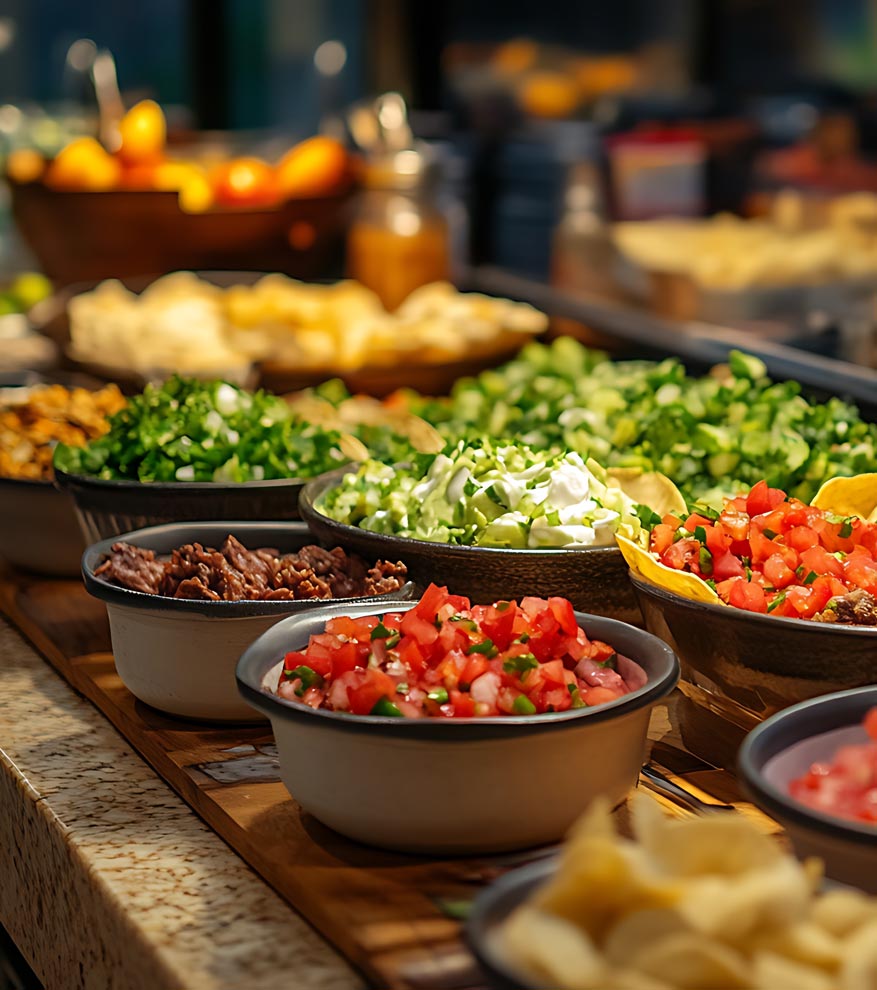
Healthy eating habits are established early in life and are generally shaped within the extended family. Children learn by example - what they see, they do. Throughout childhood, when a wide range of foods are offered consistently, the mealtimes a time of connection, this naturally influences positive eating habits. Involving children in simple food activities like setting the table, stirring the pot, baking, or growing herbs all encourage their natural curiosity and foster enjoyment.
the parent provides, the child decides
Children are exposed to many unhealthy food messages in our culture, much of which is beyond parental control. Kids may want to assert their independence around food choices, and this is happening at an earlier age now. For many families, this can become stressful and difficult to manage.
There are some simple ways to model, talk about and shape this better food choices. But it generally has to start with you!! Make your home, and the foods you provide the best they can be. Eat together wherever possible, and involve children in preparing to eat together. Allow children to serve themselves from the healthy foods you provide. And trust them to decide what they need and want. “All things is moderation” is a good stance, with balance of all foods, which helps to avoid food fears and phobias which can be a fast tracking towards disordered eating.

balance and regulation: helping children and teens enjoy real food
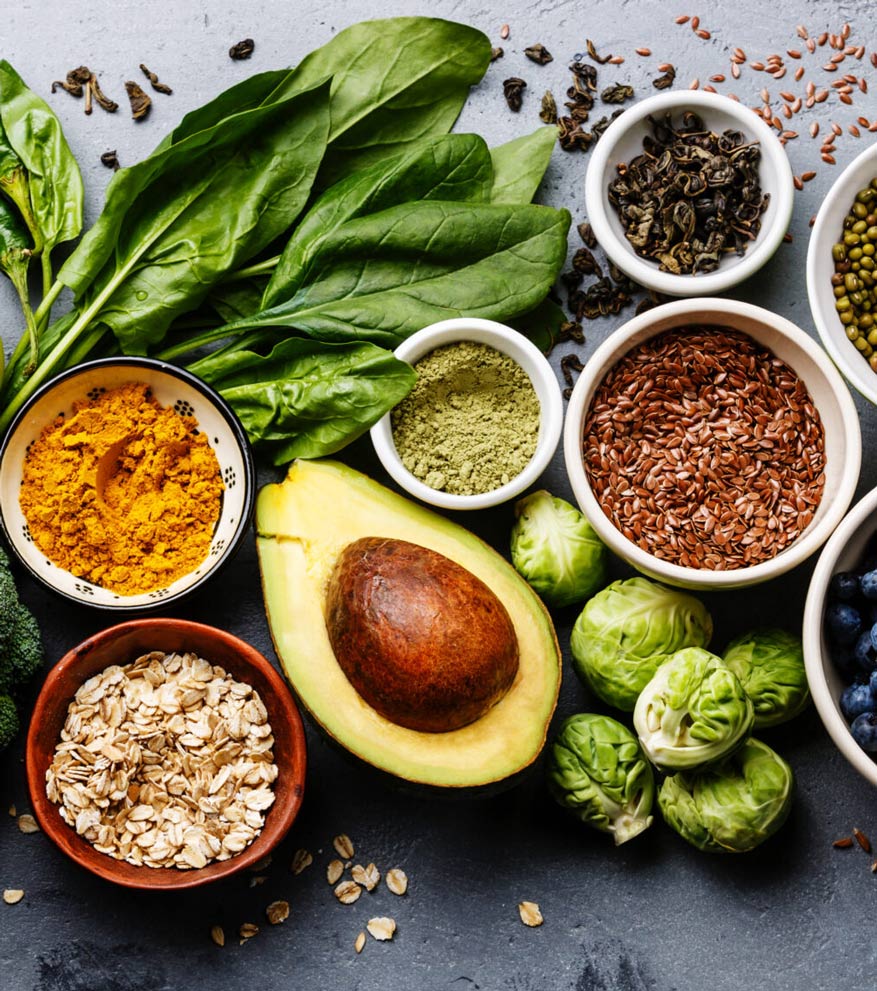
All bodies need different food groups for health, and children love to learn about their bodies and talk about themselves! For example, learning how protein foods like meat, fish, eggs, pulses and nuts contain proteins to help grow and repair our body. Calcium in milk, cheese and yoghurt help bones grow strong. Children understand these simple messages from an early age, and so our role, as parents, to help children understand that certain foods are essential for our bodies and should be eaten regularly. And by extension, foods contain special nutrients, which have important jobs to do in the body. Other foods especially ultra-processed foods low in nutrients like ice-cream, cakes, sweets or crisps can make us feel nice, but contain very little of these essential components but are high in sugars and energy and best only enjoyed occasionally. The essence of the 80:20 rule. Eating has a powerful effect on our nervous system. It has the power to soothe when sad or upset, which although can be a great comfort, can easily set up an unhealthy need for food to help us manage emotions. Choosing other ways to soothe babies and young children who are upset, including being with and making space for tender feelings. And this can work for adults too!
carbohydrates and fats, getting the balance right
Our bodies have an amazing capacity to store excess energy intake from food as body fat. As a result, for a long time we have believed that eating fats were a problem; low-fat diets became the solution to weight control. Market forces have been driving up low fat products for decades, affecting satiety from natural fats in foods, driving increased appetite for carbohydrates and sweetness. Focussed labelling on calories and controlling calories further drives low fat product sales. Whilst highly processed carbohydrates and sugars interfere with our metabolic health, we are changing the way our bodies handle food, and it's causing poor health. Healthy fats and wholegrains play a crucial part in our diets, providing Vitamins A, B complex & E, fibres, energy, satiety and flavour. But we are missing a key vital issue …
a key factor in weight gain
Insulin is the hormone produced by the body's pancreas, in response to eating carbohydrates, to maintain a steady blood sugar level, and is a a key factor in weight gain. Insulin levels rocket after eating rapidly digested sugars, such as sweet foods, drinks and processed carbohydrates like white bread, pastries and cakes. Insulin signals the body to store fat. Eating carbohydrates from wholegrains and plant foods, like grains, vegetables, fruits, beans, nuts and seeds, digestion is slow, and blood sugars remain steady with less need for insulin. When we eat those types of high-fibre plant foods regularly, our health benefits in many ways, including weight control, steady mood and energy levels. Fibre also provides a boost for gut health, by providing fuel for those helpful microbes.
the last word on ultra processed foods:
celebration food can be healthy too!
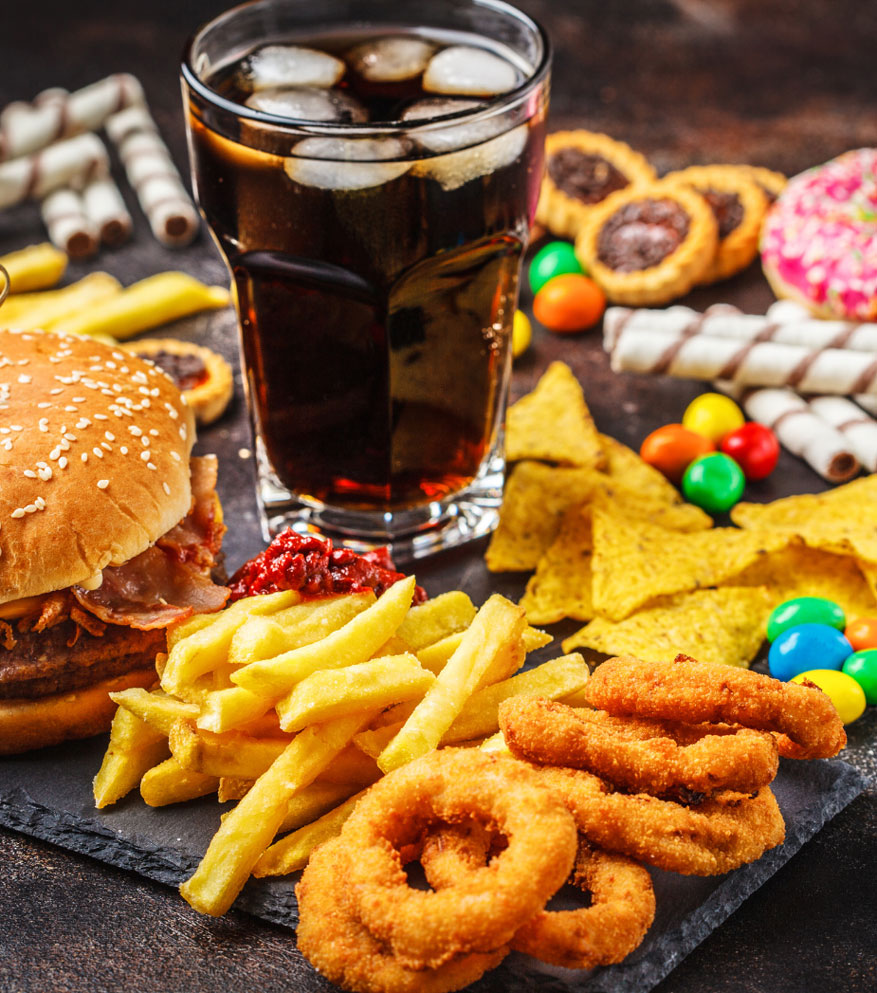

Ultra-processed foods not only spike insulin levels and drive up weight gain, they also reduce the appetite for and displace nutritious foods. Childhood obesity can be viewed as a form of malnutrition - excess calories with low levels of essential nutrients. A whole-family approach to nutrition-focussed change can be a powerful way to model or re-model food choices, within a supportive and caring environment, making positive change together.
