
Are you ready to meet your next level? Click here to book your free discovery call
Nourishing Gut Heath
helping children and teens enjoy real food
learning to like, learning to eat
What, when and how children eat in the early years really matters for lifelong health. Helping children learn to enjoy real food, with regular varied meals in easeful social environments from an early age, shapes their skills and experience towards healthy habits.
Learning to like and learning to eat a variety of real foods is an acquired skill that takes lots of practice from the very beginning. The most sensitive window for learning these skills is during infancy from 6-12 months. Building from here, creating your food environment with confidence and purpose.
Gut health play a fundamental role in health and wellbeing, influencing digestion, strengthening immunity and boosting mood. Helping kids learn to chew and eat whole plant-based foods is a great way to get curious about their favourite topic - themselves!
keeping regular
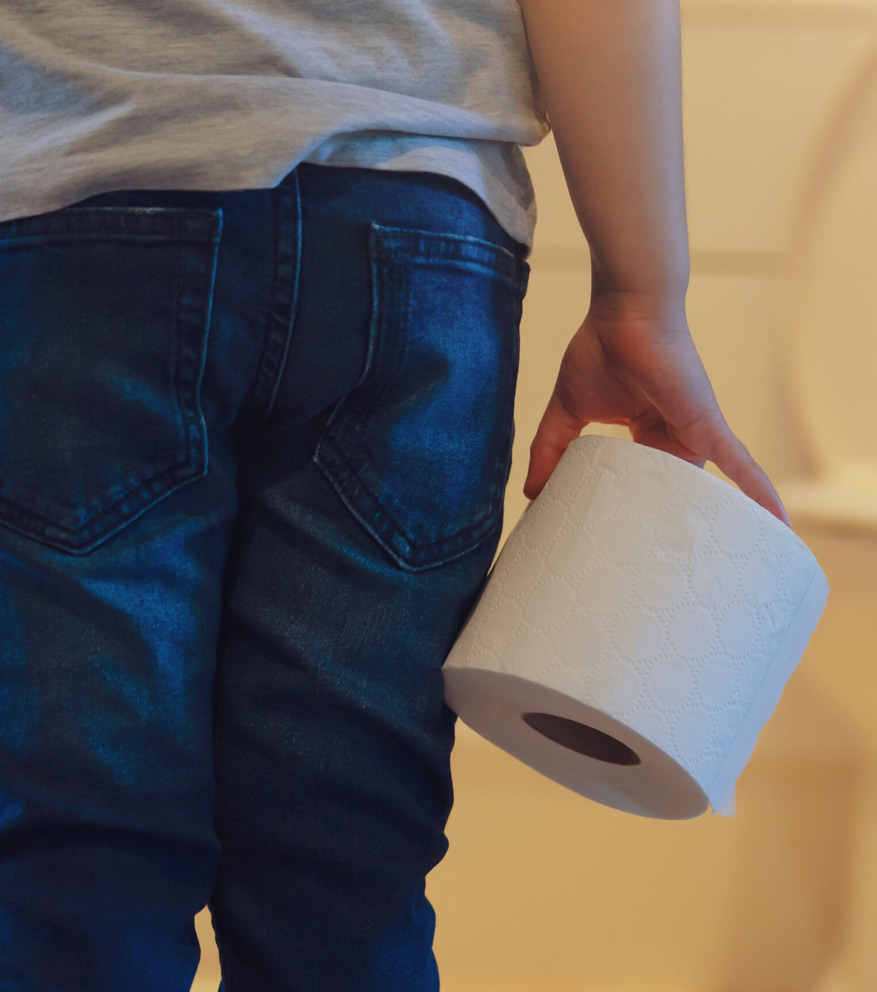
Keeping regular is a good sign of digestive and gut health. And yet constipation is a common problem in childhood, causing distress whilst also affecting eating and wellbeing. Constipation describes the slow movement of food residue through the gut; the slower it moves, the harder it becomes, as the bowel absorbs water. Hard pooh can then feel difficult to pass, and holding may happen unconsciously to avoiding discomfort. Over time, the bowel stretches as poohs widen and harden, compounding the situation. At the same time, this slow flow of pooh impacts surrounding microbes, providing feedback to the brain, reducing mood and feelings of wellbeing. Habits which support better elimination include eating regularly, consuming a diverse diet containing plant foods, regular movement and drinking sufficient water. This keeps poohs soft, and maintains the rhythmic muscular movement of the gut. Fibres from plant foods, visiting the toilet after mealtimes and the correct toileting position all help children to keep regular.
about dietary fibre
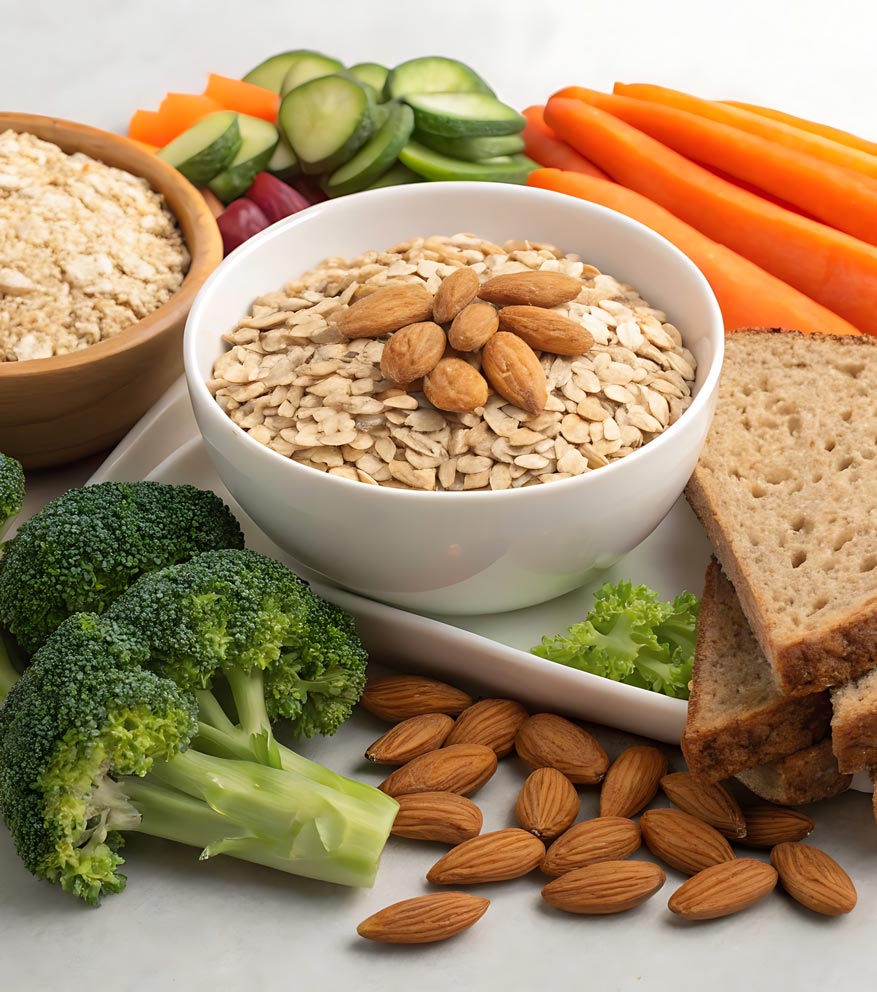
Enough fibre from plant foods is needed to help keep regular. Fibre acts is food for our gut microbes, with our gut microbes changing depending on what we eat. We broadly have different types of fibre: soluble fibre from oats, lentils, peas, apples, pears, chia & flax seeds, and insoluble fibre from wholegrain cereals, husks of beans, nuts & seeds and vegetables. A balance is desirable, as this feeds greater diversity of those hard-working gut microbes. Include vegetables, fruits, pulses, nut butters and grains at each mealtime in an age appropriate portion. Needs for total dietary fibre are below. Find out about portion sizes and fibre content of foods from my blogpost Fibre Portions for Kids
-
-
-
-
- toddlers aged 2-5 10g
- school children aged 6-11 15g
- puberty & teens aged 12-16 20g
- teens - adults aged 17+ 25g
-
-
-
There are no recommendations for fibre intakes for infants in the UK. Because infants have small tummies in relation to their high needs for nutritious foods, high fibre starchy foods should be alternated with other less fibres foods.
helping children form early healthy toileting habits
If your child has fewer than 3 bowel movements per week, regular tummy aches or difficulty toileting, then action is needed. Constipation is common, and children benefit from a gentle, structured approach with positivity, patience and consistent routines. Regularity with meals, movement, hydration and variety for plant-based fibres are great goals to aim for ...
Irritable Bowel Syndrome - a gut-brain interaction
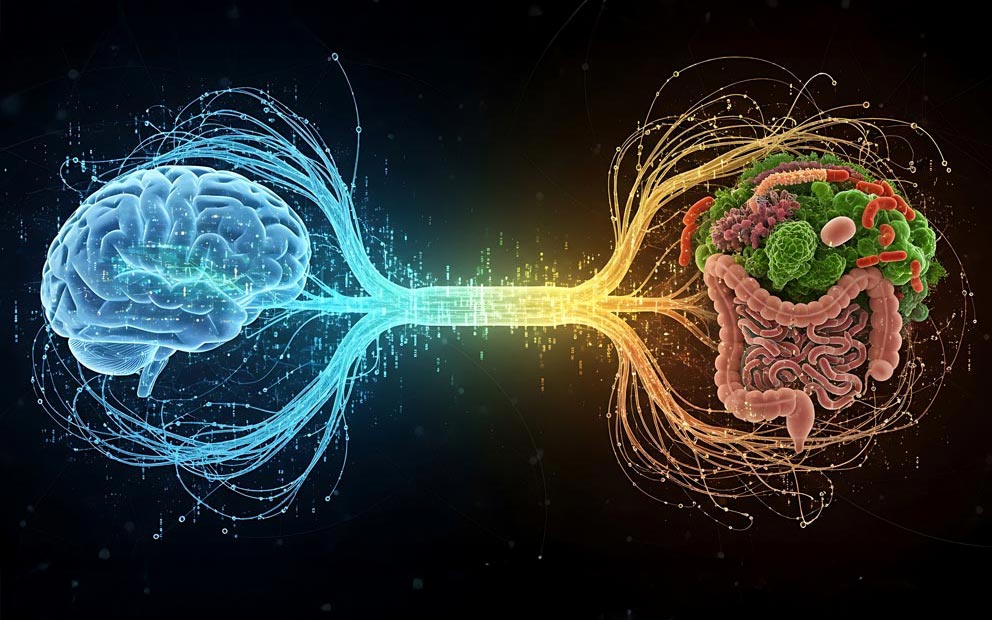
IBS and tummy pain to are linked to stress, anxiety and depression. Recent research demonstrates a 12-week course of hypnotherapy as effective as diet in managing IBS symptoms in adults. Other tools such as yoga and meditation are likely to provide similar benefits, but have not been yet been fully tested in controlled trials. There are limited studies using FODMAP diets in children but children do have IBS-like symptoms with tummy pain, bloating and altered bowel habits without medical cause. Recent findings in IBS research show that changes in the gut microbiota influence abdominal pain sensitivity by relaying false information from the gut to the brain. A diverse plant-rich diet plays a pivotal role in maintaining healthy gut microbes, and together with nutritional adequacy and a child's limited agency/understanding, make this is challenging diet for children to follow. A nutritional health overview is a first step in assessing the suitability of a FODMAP diet for a child.
FODMAPs as dietary treatment
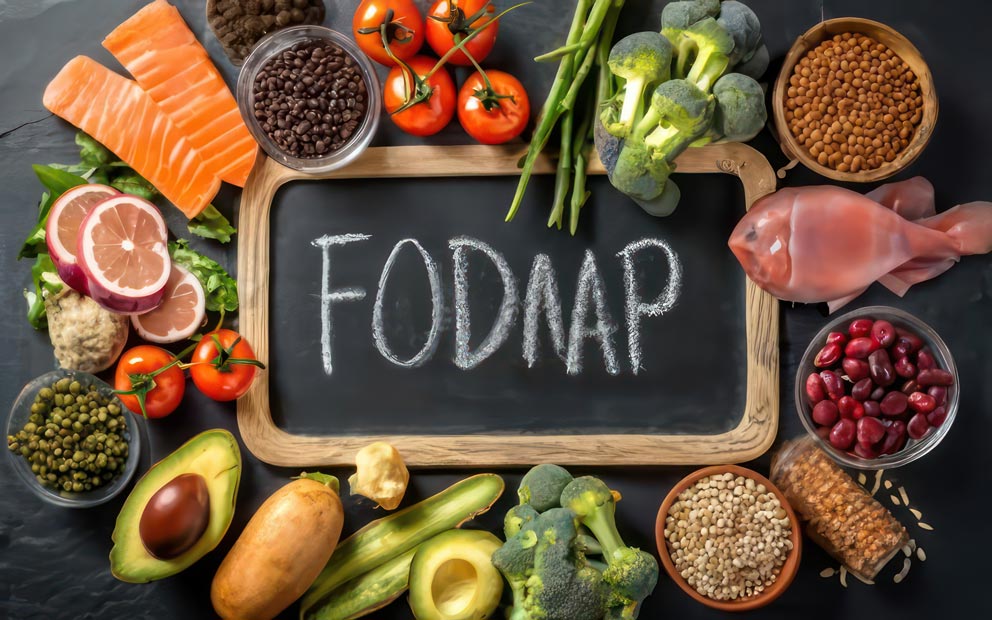
FODMAPs stand for Fermentable, Oligo, Di, Monosacchardies and Polyols which are poorly absorbed sugar chains found in everyday foods that are fermented by gut microbes in sensitive people. This causes abdominal pain, bloating and loose stools. FODMAP diets are intended to be followed as a short-term exclusion diet, followed by a period of reintroduction and development of a modified, personal plan. The FODMAP exclusion phase may last 2-4 weeks, providing symptomatic relief, before then identifying trigger foods. Then during the 4-6 week reintroduction phase a personalised diet is developed. Restoration of a healthy gut microbiota takes time, by gradually building up a diverse diet. Specific strains of Bifidobacteria and lactobacillus may be helpful.
treating IBS in children and teens
A modified FODMAP diet may be suitable for older children and teens following a nutritional health overview. However, the diet can be complex and take time and attention to implement. Treatment for IBS brings together gut microbiota health, mindful eating including chewing well, eating as wide a range of foods as possible, and being prepared to exclude, challenge and reintroduce foods. A modified FODMAP diet can reduce IBS symptoms in children and teens, creating space to work with body-mind (gut-brain) connections which may also involve expressing feelings.
My top-tips for easeful body-mind connection
